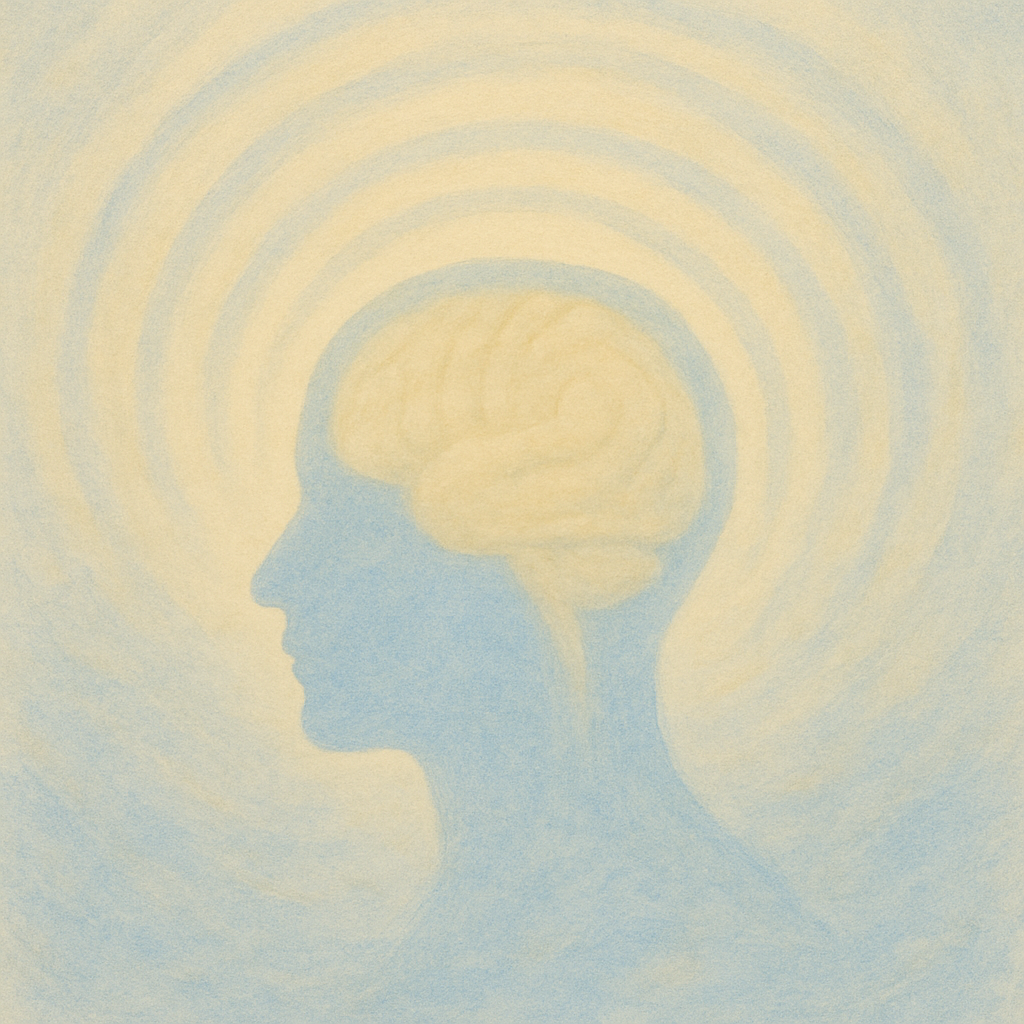
How Sound Healing, Meditation, and Mindful Movement Shift Your Brain into Balance
Have you ever left a sound bath or meditation feeling like your brain finally took a deep breath? That sense of spaciousness, clarity, or calm isn’t just in your imagination — it’s your brain literally shifting states.
As a sound healer and yoga instructor, I’ve witnessed how sound, movement, and stillness can guide people out of overthinking and into deep relaxation. But what’s even more fascinating is how this shift happens neurologically. It all comes down to your brainwaves.
Let’s explore how sound therapy, meditation, and mindful movement affect the brain — and how these practices help us move from scattered to centered, from stress to stillness.
Understanding Your Brainwaves
Your brain is always buzzing with electrical activity. These patterns, called brainwaves, reflect your state of consciousness. Depending on how fast or slow these waves are, you’ll feel anything from hyper-alert to completely at peace.
Here’s a quick breakdown:
- Beta Waves (13–30 Hz)
Your everyday brain: active, alert, thinking, planning. We need beta to function — but too much can lead to anxiety, stress, and mental fatigue. - Alpha Waves (8–13 Hz)
The bridge between doing and being. Alpha waves arise during meditation, creative flow, and light relaxation. They help calm the nervous system and bring a sense of ease. - Theta Waves (4–8 Hz)
A dreamy, deeply meditative state. Theta waves are associated with intuition, memory integration, emotional release, and subconscious healing. - Delta Waves (0.5–4 Hz)
The slowest brainwave state, found in deep, restorative sleep. Delta is where true cellular repair and nervous system reset occur. - Gamma Waves (30–100 Hz)
Linked to peak focus and insight. These can increase during moments of heightened awareness, though they’re less central in sound therapy.
What’s important to know is that sound has the power to shift us out of busy beta and into the healing states of alpha, theta, and even delta — where the body rests and the mind can truly let go.
How Sound Healing Influences Brainwave States
Sound healing uses vibration and frequency to entrain the brain — meaning the brain naturally begins to sync with external rhythms. When you’re surrounded by the sustained tones of crystal singing bowls or chimes, your brain gradually slows down, matching the rhythm of the sound.
This process is called brainwave entrainment, and it’s one of the reasons sound baths feel so calming. By gently guiding the brain from fast beta waves into slower alpha or theta waves, sound creates the conditions for:
- Nervous system regulation
- Emotional release
- Mental clarity
- Deep physical relaxation
It’s not just relaxation for relaxation’s sake — it’s your brain moving into states where healing, integration, and restoration naturally happen.
The Role of Meditation and Stillness
Meditation is often the first practice people think of when they hear “brainwaves.” And for good reason — meditation reliably shifts the brain into alpha and theta states over time.
In these states, the Default Mode Network (DMN) — the brain region responsible for mind-wandering and self-judgment — begins to quiet. This creates space for insight, emotional processing, and a greater sense of peace.
Pairing meditation with sound, especially in savasana or final rest, amplifies the shift, allowing you to drop in more deeply than with silence alone.
Mindful Movement as a Bridge to the Brain
Before we even get to stillness, movement matters. Mindful movement — whether yoga, dance, or simple breath-led stretches — gets us out of our heads and back into the body.
When we move with intention, we activate proprioception (the body’s awareness of space), connect to our breath, and begin to discharge stress stored in the muscles and fascia. It helps us leave the beta-dominant “thinking” state and enter alpha rhythm — making the brain more receptive to deeper relaxation.
Movement also prepares the nervous system. It softens resistance. So when we finally arrive in stillness — whether for meditation or a sound bath — the body is primed to receive, and the brain is ready to shift.
The Science of Sound and the Nervous System
Sound doesn’t just affect the brain — it speaks directly to the nervous system. Specifically, it stimulates the vagus nerve, which plays a major role in regulating our parasympathetic (rest-and-digest) response.
The vibrations of instruments like crystal bowls or tuning forks help slow the breath, lower heart rate, and signal safety to the body. This encourages a nervous system reset, shifting you out of stress and into regulation — a state where healing can begin.
Some of the documented benefits of sound therapy include:
- Reduced cortisol (stress hormone)
- Improved heart rate variability (a marker of resilience)
- Lowered blood pressure
- Enhanced sleep quality
- Increased emotional clarity
Why the Combination Works: Movement, Sound, and Stillness
Each of these practices — movement, meditation, and sound — works beautifully on its own. But when woven together, they form a powerful arc:
- Mindful movement awakens the body, grounds attention, and opens energetic channels
- Stillness and meditation calm mental chatter and create inner space
- Sound therapy deepens the experience, slowing brainwaves and restoring balance on a cellular level
This isn’t just a “feel good” practice — it’s a neurological reset. It’s how we return to resonance.
Coming Back to Balance
When life feels noisy or overwhelming, it’s often a sign that our brain and body are out of rhythm. The beauty of sound healing, mindful movement, and meditation is that they don’t ask us to push or perform — they simply ask us to listen, soften, and receive.
Your brain is capable of incredible healing when given the right conditions.
Through vibration, breath, and movement, we create space for that healing to unfold — not by effort, but by resonance.
Curious to experience this for yourself?
Join me for a session that blends mindful movement, meditation, and sound — and let your brain return to its natural rhythm of rest, clarity, and connection.